
Sinusitis Symptoms: Hello, I am Op. Dr. Evren Ay Koç. Today I will give you information about sinusitis, which makes daily life difficult, is sometimes difficult to distinguish from a simple cold, but can become chronic if not treated properly. In this article, I will cover many topics such as what is sinusitis, what are its symptoms, how is it treated, and what you should pay attention to to protect yourself from sinusitis.
Sinusitis Symptoms
What are the symptoms of sinusitis and how is it treated?
What is Sinusitis?
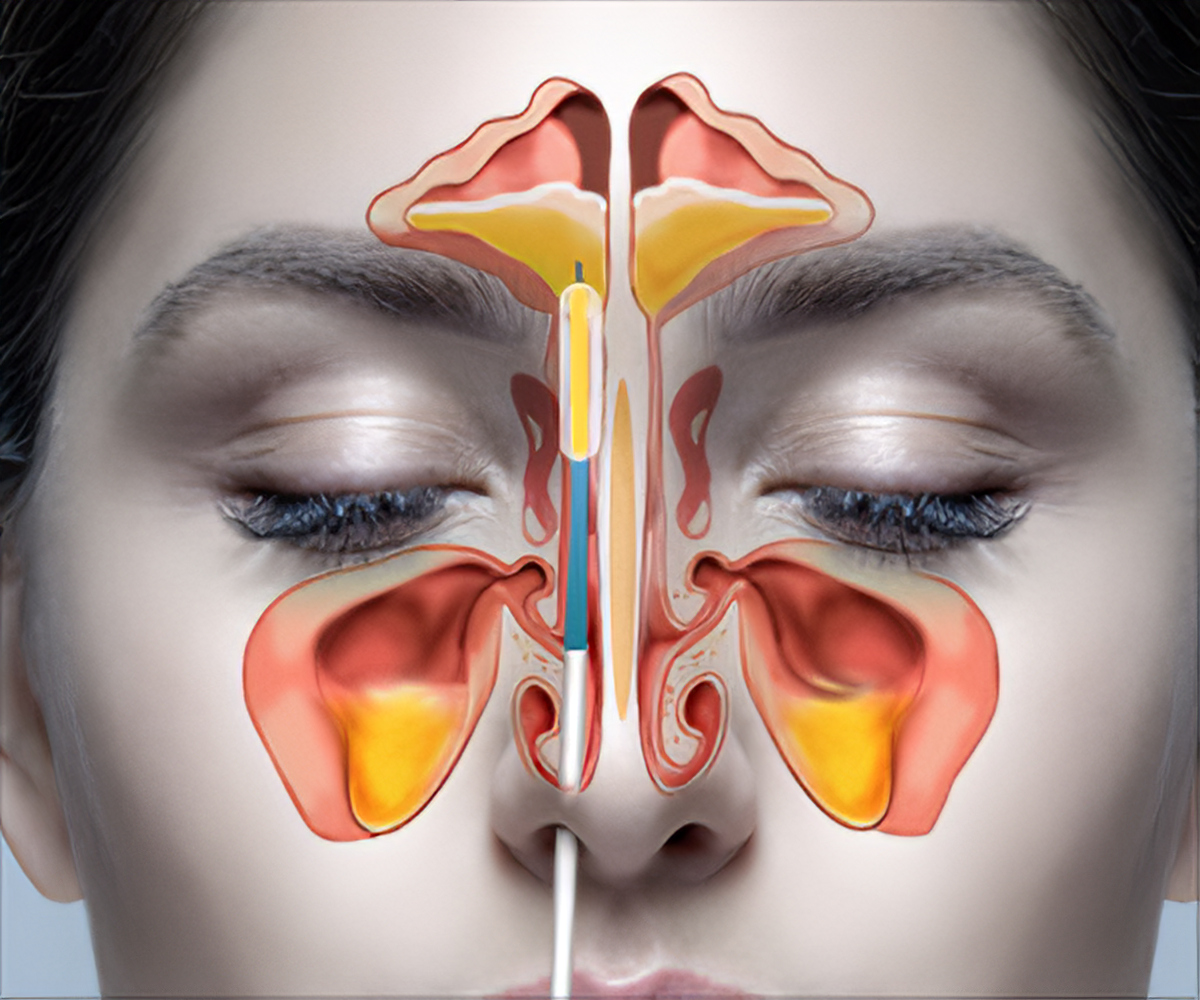
Sinusitis occurs when air-filled spaces called sinuses inside the bones of the face become inflamed. The sinuses are located around the nose, cheeks, forehead, and behind the eyes. The surfaces of these sinuses are covered with mucus-producing cells, and normally the mucus flows into the nose. However, if there is swelling or mucus accumulation in the tissues inside the sinuses, these spaces become blocked, creating an ideal environment for bacteria, viruses, or fungi to grow. In this case, sinusitis occurs. Sinusitis Symptoms
Sinusitis is generally divided into two types: acute and chronic:
- Acute sinusitis usually occurs after a cold or flu and can last for several weeks.
- Chronic sinusitis is the type of sinusitis that lasts longer than 12 weeks and is generally more difficult to treat.
What are the symptoms of sinusitis?
Sinusitis symptoms can vary depending on a person’s age, immune system, and whether sinusitis is acute or chronic. However, the most common sinusitis symptoms are:
- Nasal Congestion: Mucus accumulated in the sinuses causes the nasal passages to become blocked. This causes the patient to feel a constant nasal congestion.
- Facial Pain and Pressure: People with sinusitis often feel pressure and pain in their face. Pain occurs especially in the cheeks, around the eyes, and in the forehead area, and this pain can increase when the head is bent forward.
- Mucus Secretion: Sinusitis causes thick, yellow or green mucus secretion that can drain from the nose or pharynx into the throat. This may be more noticeable, especially in the morning.
- Loss of Smell and Taste: Due to nasal congestion and sinus filling, patients may experience a decrease in their sense of smell and taste.
- Headache: Sinusitis causes a headache that is usually concentrated in the forehead, around the eyes, or temples.
- Fatigue and Weakness: Since sinusitis is an infection that affects the body’s immune system, the person may experience fatigue, weakness and sometimes a mild fever.
- Bad Breath: Bad breath may occur due to mucus accumulation and discharge into the throat due to sinusitis. Sinusitis Symptoms

How to Cure Sinusitis Fastest?
Antibiotics, nasal sprays and painkillers prescribed by a doctor are among the most effective solutions for quickly curing sinusitis. In addition, home remedies include taking a hot shower, breathing steam and cleaning the nose with salt water. Drinking plenty of fluids and increasing the humidity in the environment also help to relieve sinusitis by opening the sinuses.
How Does a Sinusitis Headache Feel?
Sinusitis headaches are usually felt in the forehead and the front of the head. This pain increases when the head is bent forward or with sudden movements. Sinusitis-related headaches manifest themselves with a feeling of pressure and fullness and can often spread to the area around the eyes. Sinusitis headaches, unlike other headaches, are caused by inflammation in the facial sinuses.
Does Sinusitis Affect the Eye?
Yes, sinusitis can affect the eye. Sinusitis can cause a feeling of pressure around the eyes and swelling or redness under the eyes. Especially in cases of inflammation of the maxillary sinuses, pain around the eyes becomes more pronounced. The pressure on the eye caused by sinusitis does not affect the field of vision, but it does create a feeling of discomfort.
Does Sinusitis Increase CRP Levels?
Sinusitis can increase CRP levels because it causes inflammation in the body. CRP (C-reactive protein) levels increase in the body in cases of infection and it is normal for this value to increase in inflammatory diseases such as sinusitis. If your CRP value is high, you should see a doctor to check if you have an inflammatory condition such as sinusitis.
What medications are used in the treatment of sinusitis?
Medications used in the treatment of sinusitis include antibiotics, nasal decongestant sprays, and painkillers. However, sinusitis treatment is a personal matter and it is best to use medication according to the doctor’s recommendation. In the treatment of sinusitis, it is important to use the medications recommended by the doctor regularly and to follow the symptoms during the treatment process.