

Adenoid surgery, also known as adenoidectomy, is a common procedure performed in children to remove the adenoid glands. The adenoids are small lymphoid tissues located behind the nasal cavity that are part of the body’s immune system. In childhood, especially between the ages of 3 and 7, the adenoids play a crucial role in defending the body against infections caused by viruses and bacteria. However, when the adenoids become enlarged due to infections, allergies, or genetic factors, they can cause breathing difficulties, frequent ear infections, and sleep apnea.
Adenoid Surgery: Symptoms, Procedure, and Recovery Process
Summary
This article will provide a comprehensive overview of adenoid surgery, including the reasons for surgery, the surgical procedure, recovery process, potential complications, and surgical outcomes.
What is Adenoid Surgery?
The adenoids are lymphoid tissues located at the back of the nasal cavity, playing a role in the body’s immune response. During childhood, the adenoids help protect the body from infections. However, under certain circumstances, such as repeated infections, allergic reactions, or genetic predisposition, the adenoids can become enlarged, obstructing the airways. This enlargement can lead to nasal congestion, snoring, sleep apnea, and other related issues. Adenoidectomy is the surgical removal of these enlarged adenoids. This surgery is most commonly performed in children but may be necessary in some adults as well.
Indications for Adenoid Surgery
Adenoid surgery is recommended in children who experience the following conditions:
Obstructive Sleep Apnea (OSA): Enlarged adenoids can block the upper airway, causing difficulty breathing during sleep, leading to snoring and sleep apnea. In such cases, adenoidectomy can significantly improve breathing and sleep quality.
Recurrent Ear Infections: Enlarged adenoids can block the Eustachian tubes, leading to fluid buildup in the middle ear, causing recurrent ear infections, temporary hearing loss, and speech delays.
Chronic Nasal Congestion and Sinus Infections: Enlarged adenoids contribute to persistent nasal congestion and can lead to chronic sinus infections and other respiratory problems.
Tonsillitis: In some cases, enlarged adenoids may contribute to frequent tonsil infections (tonsillitis), and in these cases, adenoidectomy is typically performed in conjunction with tonsillectomy.
Speech and Swallowing Difficulties: Occasionally, enlarged adenoids may interfere with speech (nasal voice) and swallowing.
Although rare, adenoid surgery may also be performed in adults with chronic sinus infections or sleep apnea.
The Procedure of Adenoid Surgery
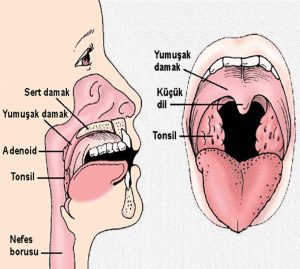
Adenoidectomy is performed under general anesthesia, meaning the patient is completely asleep during the procedure. The surgery typically lasts about 30 minutes, and most patients are discharged the same day. Various techniques can be used during the surgery, including curettage (scraping), suction, electrocautery, or laser.
Surgical Steps:
- Anesthesia: The child is put under general anesthesia to ensure they are fully asleep and do not feel any pain during the procedure.
- Accessing the Adenoids: The surgeon accesses the adenoids by opening the mouth. No external incision is made.
- Removal of the Adenoids: Using special surgical instruments, the surgeon removes the enlarged adenoid tissue. Electrocautery or laser may be used to control bleeding and remove tissue.
- Recovery: After the procedure, the child is monitored until the effects of anesthesia wear off. Most children go home on the same day, but some may need to stay overnight for observation.
Recovery Process and Postoperative Care
The recovery process after adenoidectomy is typically quick, with most children fully recovering within 7-10 days. Postoperative pain is generally mild and can be managed with pain relievers. It is recommended that children avoid heavy physical activities for a few weeks after surgery.
Common postoperative symptoms include:
- Sore throat (usually mild and temporary)
- Low-grade fever (resolves within a few days)
- Nasal bleeding or mild nasal discharge (can last for the first 1-2 days)
During the recovery period, it is important to avoid exposure to cigarette smoke and ensure adequate fluid intake.
Risks Associated with Adenoid Surgery
While adenoidectomy is a generally safe procedure, there are some risks, including bleeding, infection, regrowth of adenoid tissue, and rare injuries to nearby structures.
Conclusion
Adenoid surgery is an effective treatment for children who experience significant health problems due to enlarged adenoids, such as nasal congestion, ear infections, and sleep apnea. The procedure generally yields excellent results, with most children experiencing substantial improvements in their symptoms. However, prior to the surgery, it is essential to carefully evaluate each patient’s individual condition and consider the potential risks and benefits.
References
Friedman, M., Tanyeri, H., & Aviv, J. (2017). “Adenoidectomy and quality of life in children: A review.” Journal of Pediatrics, 180(5), 756-764.
Tariq, S., Khan, S. A., & Yousaf, A. (2019). “Outcome of adenoidectomy in children with chronic otitis media.R

