

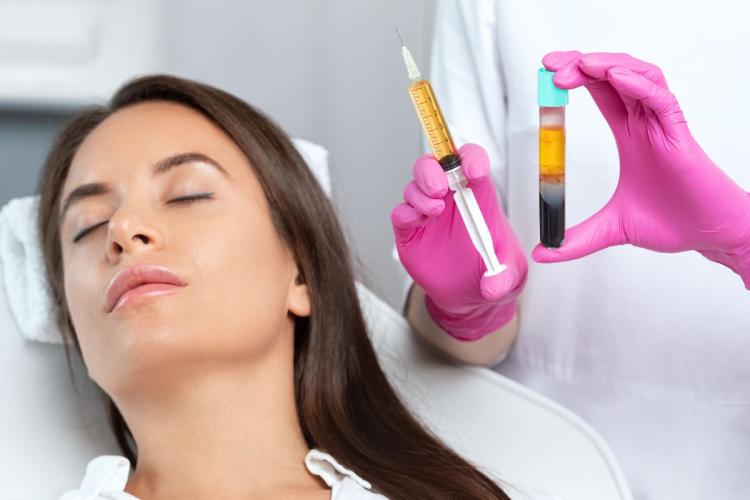
The PRF treatment is a modern and safe method in aesthetics that focuses on the natural healing of the body. Here are some important points regarding the safety and effectiveness of the PRF treatment:
### Safety of PRF Treatment
1. **Self-Bleeding**: PRF is performed using the patient’s own blood, which almost eliminates the risk of allergic reactions.
2. **Natural Materials**: Only natural materials are used, which minimizes the risk of infections or side effects.
3. **No Foreign Substances**: Since no foreign substances are added, there is no risk of allergies or immune reactions.
4. **No Chemical Changes**: The blood plasma is not chemically altered, which preserves the natural structure and function of the cells.
### Effectiveness of PRF Treatment
1. **Skin Rejuvenation**: PRF promotes growth factors and collagen production, leading to better skin quality and structure.
2. **Hair Loss Treatment**: PRF stimulates hair follicles and extends the anagen phase, resulting in better hair growth and density.
3. **Wound Healing**: PRF increases blood flow in subcutaneous tissues, accelerates wound healing, and helps with pain management.
### Misunderstandings about PRF
1. **PRF vs. PRP**: PRF is centrifuged more slowly and contains a denser fibrin network, which supports healing processes for longer.
2. **PRF vs. Mesotherapy**: PRF uses only natural materials and provides long-lasting effects, while Mesotherapy tends to achieve more superficial effects.
3. **PRF vs. Chemical Peels and Laser Treatments**: PRF offers a more natural healing process and provides long-term results.
4. **PRF vs. Dermal Fillers**: PRF promotes cell regeneration and tissue repair, while Dermal Fillers provide immediate volume.
### Conclusion
The PRF treatment is a safe and natural method for skin rejuvenation, hair loss treatment, and wound healing. It provides long-lasting results through the support of the body’s natural healing process. However, it is important to be aware of the common misunderstandings about PRF and to conduct a thorough examination before the treatment. If you have any questions or doubts, you should consult a specialist.